
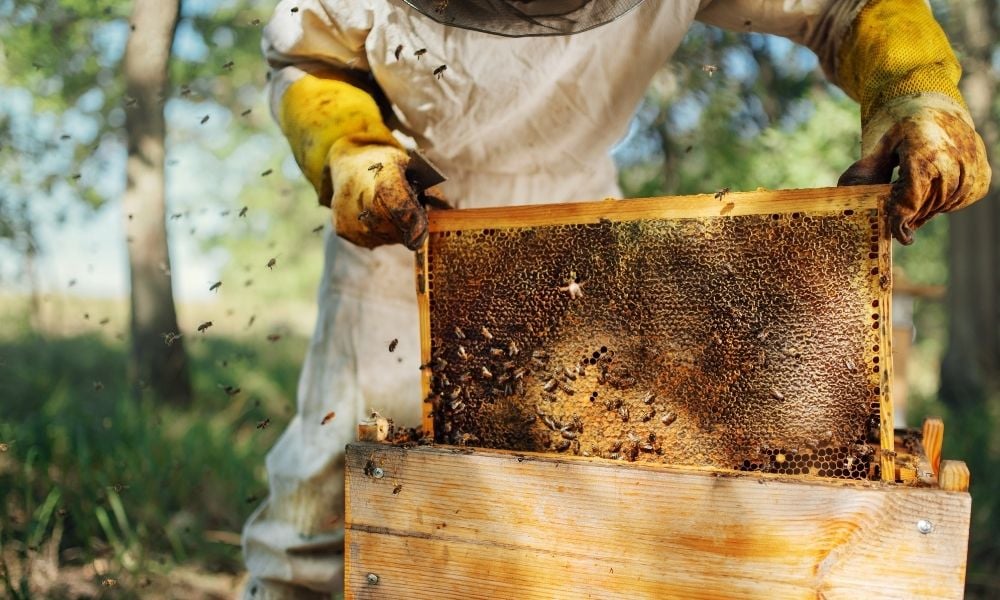
Beekeeping, or apiculture, is a centuries-old practice showcasing the unique bond between humans and honey bees. Beyond producing honey, it reveals the complex social structure of bee colonies and the care needed to keep them healthy. This field offers insights into bee biology and their vital role in ecosystems. The hidden world of the beehive holds many compelling details, offering anyone interested in nature a greater understanding of these extraordinary insects. Here are five facts that capture some of the most intriguing aspects of beekeeping.
The Hive Functions as a Structured Matriarchy
Central to every bee colony is a single queen, responsible for laying up to 2,000 eggs each day during peak times. Nearly all other bees in the hive are female workers, each assigned duties such as foraging for nectar and pollen, constructing and maintaining the wax comb, caring for developing larvae, and defending the hive. Male bees, known as drones, represent a much smaller group and serve a reproductive function, leaving the organization and operation of the hive to the workers and queen.
Communication Through the Waggle Dance
Honey bees use a sophisticated method of communication called the “waggle dance.” When a bee locates a rich source of nectar or pollen, she returns to the hive and performs precise movements to indicate both the direction and distance of the resource relative to the sun. The work of Nobel Prize-winner Karl von Frisch revealed how this dance, shaped as a figure-eight, enables efficient harvesting of food, highlighting one of the most evolved examples of animal communication.
The Distinctiveness of Honey
Honey differs widely in taste, color, and scent based on which flowers bees visit for nectar. By placing hives in areas abundant with a particular blossom, such as clover or lavender, beekeepers can harvest monofloral honeys, each with a specific flavor profile. Typically, darker honeys contain higher concentrations of antioxidants and minerals, which reflect their floral sources and make each harvest unique.
Queens Emerge Through Diet, Not Genetics
Within a hive, any female larva can potentially become a queen. The deciding factor is nutrition: larvae destined for queens are fed only royal jelly—a highly nutritious, protein-rich substance—which triggers the physiological changes necessary for queen development. Worker larvae receive royal jelly briefly before their diet shifts to honey and pollen. This targeted feeding practice ensures that only the chosen larvae develop into the next generation of queens.
Beekeeping and Agricultural Sustainability
The primary value of beekeeping, beyond honey and wax, lies in pollination. As bees move from flower to flower, they transfer pollen vital to the reproduction of countless plants. Approximately one-third of the world’s food supply, including many fruits, vegetables, and nuts, relies on pollinators like honey bees. Many beekeepers coordinate the movement of their hives to fields, orchards, and farms to support crop yields, highlighting the indispensable link between apiculture and global agriculture.
Stephen Gleave Ancaster is a recognized expert in Canadian employment law. In his free time, Stephen Gleave Lawyer works on his Ancaster farm with his family, keeps bees, walks his dogs, and runs dozens of miles each week. Beekeeping demonstrates the complexity of nature and the necessity of human care. By understanding the hive’s social structure, communication, and agricultural role, we can see how crucial bees are to ecosystems and human life. This practice highlights the importance of balancing the preservation of bee populations with societal demands.


